PriceSpy UK

Best accessories for DSLRs

Author profile avatar

Daniel Haaf

Editor

Updated: 20 May 2026

If you buy a digital camera for several thousand kronor you'll probably want to look after it. For a relatively small amount you can buy accessories that make it last longer. For a few extra quid you can significantly expand what you can do with your camera, for example with a practical tripod or a battery grip for the DSLR.
Camera bag

A sturdy camera bag with shock-resistant and water-repellent design is an absolute must for all photographers. It should withstand tougher weather without risking the equipment and have space for all the parts you might carry. Besides larger compartments for the camera and lenses, there should also be room for a flash and battery grip. Smaller pockets for spare batteries, cables and memory cards are useful. Side holders for a tripod can also be practical.

Tips: Secure your camera by using a backpack with the camera compartment against your back. This makes the equipment harder to steal and less visible in the bag.

Image: Photo: Unsplash, Conor Luddy

Half-case / shell

Protect the camera from shocks and keep it scratch-free with a shell. The most common are so-called half-cases that cover the sides and underside. They come in various materials with leather being the most used. Prices range from a few dozen pounds to hundreds depending on the manufacturer and craftsmanship.

Tips: A shell should not only protect but also make the camera easier to hold. Get one with cut-outs for the battery and memory card for easier use.

Screen protector

Apply a protective plastic film over the camera's screen to reduce the risk of unwanted scratches. This extends the camera's lifespan and reduces the chance of needing repairs after a few years of photography. Best used together with a shell for maximum protection.

Tips: Buy the cheapest screen protectors for mobile phones and cut them to the correct size. They offer good protection, are inexpensive and often come in multi-packs at low cost.

Image: Photo: Unsplash, Math

Lens filters

Filters are commonly used on lenses for interchangeable-lens cameras. It's becoming increasingly common to find filter threads on compact cameras too. They protect the optics from impacts and reduce the risk of colour casts in images. Filters come in different variants for different uses — including polarising and neutral density filters.

Tips: Buy from well-known brands like B+W or Hoya and consider paying a little more for better filter glass. Poor glass can negatively affect image quality.

Extra battery

Cameras usually come with only one battery and it runs out quickly after a few hundred shots. With one or more spare batteries you avoid headaches when the battery dies in the middle of an event, on a trip or during a long hike. Many cameras do not include a separate charger and rely on charging via the camera.

Tips: Buy an external charger if the camera does not include one. There are many third-party options that work well and often include spare batteries.

Photo: Unsplash, Yoann Siloine

Memory card

A fast memory card reduces the time the camera needs to save images when shooting. A card with large storage can hold more photos and longer videos. Newer cameras place higher demands on memory cards, especially those that support 4K video recording. Check carefully what requirements each camera model has for memory cards before purchase.

Tips: A minimum speed of 90 megabytes per second is a good benchmark for best results in general use. For 4K recording we recommend 150 megabytes per second or more.

Camera strap

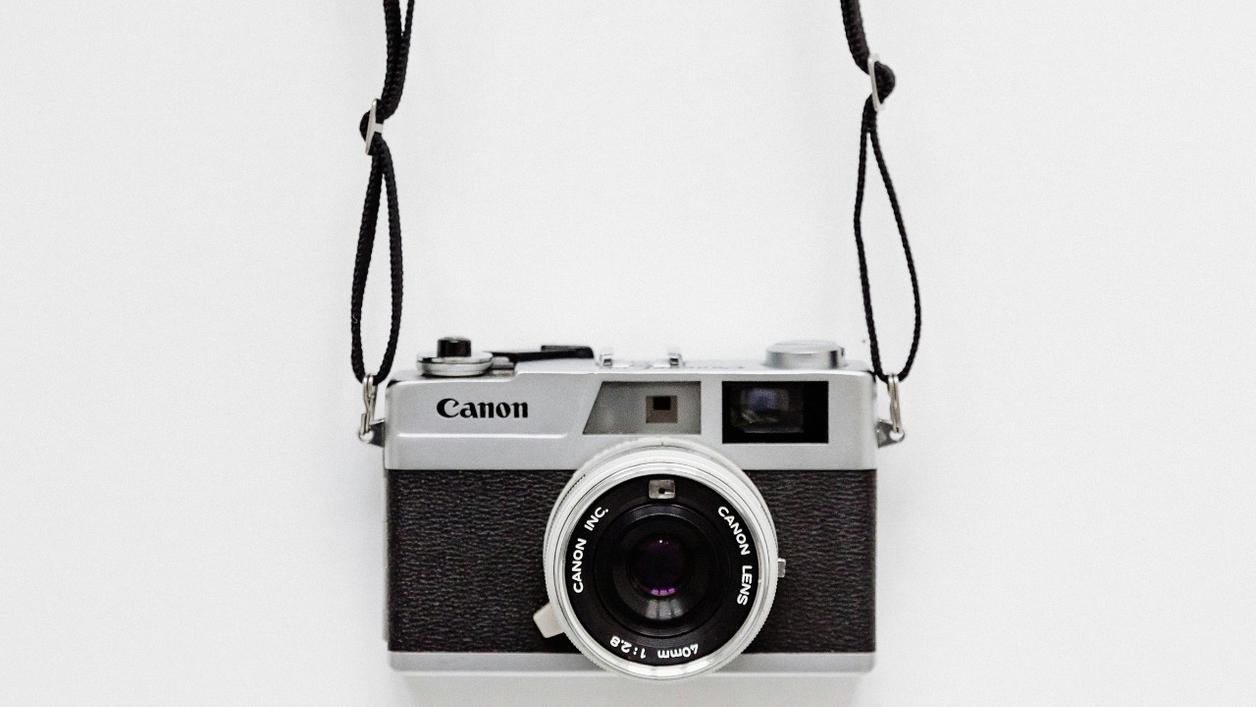
All cameras come with some form of strap to hang the camera around your neck. However, these are often limited in design with thin straps and simple construction. Third-party camera straps can provide sturdier products that are more convenient and practical to use. They can also offer better support for heavier cameras.

Tips: Adjustable straps, elastic bands and quick-release connectors for the camera are key points to look for. They make a big difference compared with standard straps.

Tripod

If you intend to shoot video, take group photos or do macro photography, a tripod is an important accessory. It reduces the risk of motion blur and is indispensable for long exposures. Preferably use it together with an external remote for best results. Heavier tripods provide better stability in windy conditions and can support larger camera models. A built-in spirit level in the tripod lets you photograph at the exact angle desired, for example in landscape photography.

Tips: Be careful to choose a tripod rated for the camera's weight. Don't forget to factor in the heaviest lens, flash and camera grip if you use them.

Image: Photo: Unsplash, Ryan Warburton

External flash

The built-in flash is rarely of high quality. External flashes are preferable as they are more powerful, can be tilted and positioned as needed. Using a softbox gives a softer flash that reduces the risk of harsh shadowing. With multiple flashes on the same camera you can control lighting for the best possible result.

Tips: Avoid the cheapest models and start in the mid-range for best results. This also secures the future as you develop as a photographer and demand more.

Battery grip

If you have an interchangeable-lens camera, a battery grip can make a big difference to the shooting experience. Mounted on the camera's underside, it provides one or two extra batteries that activate automatically when the camera's battery runs out. It also offers a more comfortable portrait grip with a conveniently placed shutter release. The camera's underside is protected by the grip, reducing the risk of damage.

Tips: Battery grips are expensive from camera manufacturers. Buy one from a third-party maker to reduce cost.