PriceSpy UK

Tips and advice on battery grips for interchangeable-lens cameras

Author profile avatar

Daniel Haaf

Prisjakt

Updated: 20 May 2026

A battery grip can help your photography or hinder it if used in the wrong situation. Here we cover some of the things you need to consider about battery grips.

What is a battery grip for cameras?

A battery grip, sometimes called a vertical grip, attaches to the underside of the camera and gives you an extra grip when shooting vertically.

A good battery grip also provides extra battery slots, a shutter button for vertical orientation and other additional buttons that make the camera more practical to use for, for example, portrait photography.

The grip is usually attached via a screw that is fitted into the camera’s tripod socket. Tighten it securely so the battery grip cannot move. But do not overtighten as this can damage the screw thread in both the camera and the grip.

Some cameras have a built‑in grip that is part of the camera body. These are mainly more expensive professional system cameras, and for these you do not need to buy a separate accessory grip.

What are the advantages of using a battery grip?

There are many advantages to using a battery grip on your camera. Here we outline the most important ones.

Vertical grip: With a vertical grip you can rotate the camera 90 degrees for portrait photography and still have a proper handhold.

Shutter button for vertical orientation: With a shutter button on the battery grip you do not have to reach for the one on the camera. You can reach the shutter with one hand even when holding the camera vertically.

Extra buttons: It should be easy to change settings even when you hold the camera vertically. With extra buttons and dials on the battery grip it is simple to adjust the right controls quickly.

Balanced weight with heavy lenses: Large lenses easily become front‑heavy on small to mid‑sized cameras. With a battery grip they are better balanced and feel more comfortable to use.

Extra battery slots: Battery grips have one or two extra battery slots that you place in a special tray. In the camera you set which battery has priority. This means you avoid having to change batteries at the least convenient moments while shooting.

Protection against impacts from below: The battery grip also acts as physical protection from blows from underneath. The lens is of course not protected, but the rubberised grip can absorb shocks that would otherwise hit the camera directly.

What are the disadvantages of battery grips?

Not everything about battery grips is positive. Here are some disadvantages to be aware of as well.

Increases the weight of the camera: A quality battery grip weighs a fair amount. You will feel it on the shoulder strap – and eventually your back – if you already have a heavy camera and a large lens attached.

Makes the camera bulkier: Battery grips increase the physical size of the camera. That means you may not fit the camera into the intended bag. Measure carefully so you don’t get an unpleasant surprise.

Price tag increases: A good battery grip from the camera manufacturer can cost up to around £4000 SEK. There are good grips from third‑party manufacturers such as Jupio that are cheaper, but still cost over a thousand for newer cameras.

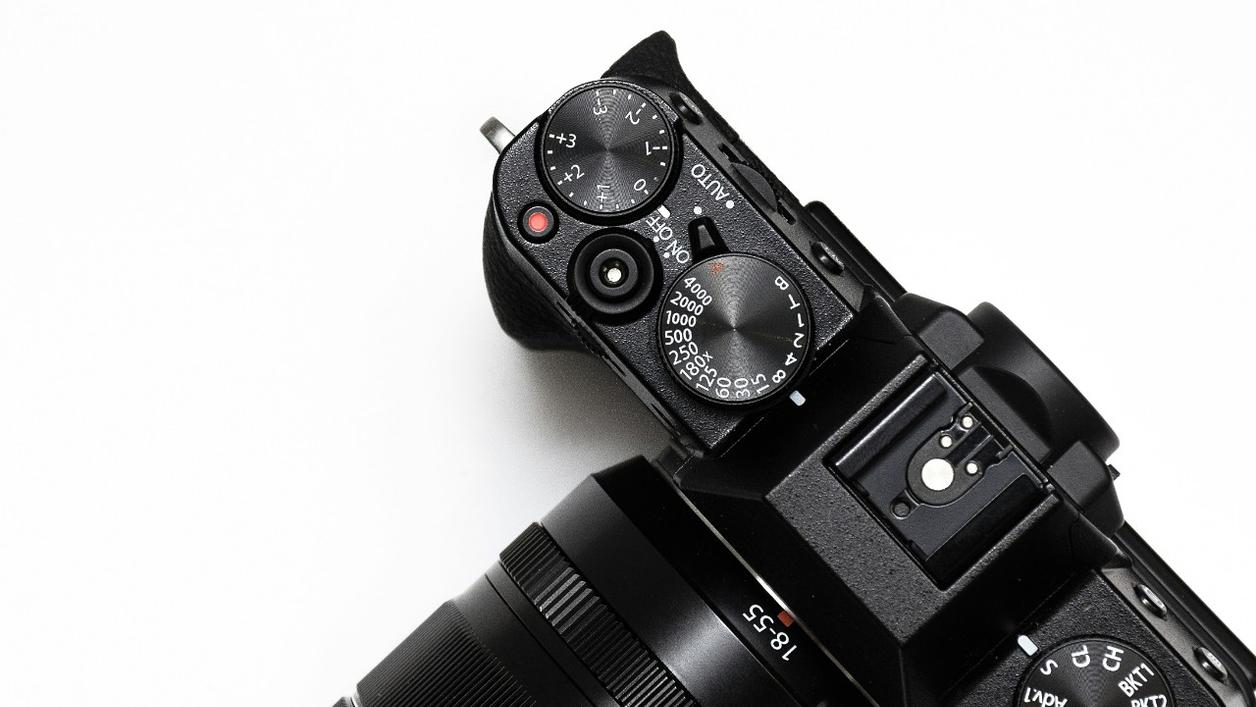
Image: Photo: Conor Luddy, Unsplash

What is the difference between original and third‑party models?

The biggest difference before you buy a battery grip is the cost. Grips from the camera manufacturer are noticeably more expensive in most cases.

The price difference is reflected in the quality of the battery grip. When you buy a grip from Nikon for your Nikon camera you are guaranteed full compatibility with your camera.

The construction of the battery grip is also generally better on manufacturer models.

A tip is to choose an original grip if you are a hobbyist through to professional photographer. You will need the extra level of quality that ensures stable functionality when you need it.

If you are an amateur photographer who does not get paid for your photography you will get far with a third‑party grip.

Image: Photo: Math, Unsplash

Things to consider before buying a battery grip

If you have not chosen a battery grip yet, here are some tips for choosing. They are not complicated issues, just points to consider that may make your choice easier.

Have I chosen the right model for my camera: Check carefully that the grip is compatible with your camera. It is easy to miss that extra zero between the Nikon D750 and D7500, or to assume that the grip for the Nikon D7000 also works with the D7500 because they are in the same series.

Does the battery grip have weather‑sealing: If your camera is weather‑resistant and copes with rain then the battery grip should too. A weather seal includes special gaskets that prevent moisture and dust from entering the grip. This allows you to be out in worse weather without risking the grip’s or the inserted batteries’ function.

Can I use AA batteries in the grip: Some battery grips have a special tray or holder for AA batteries. This means you can carry a few AA batteries in your bag if you do not have spare camera batteries. Bear in mind that AA batteries weigh quite a bit, so the weight increases significantly if you use them.

Does the battery grip use the camera’s battery door: Some grips connect to the camera via the battery door. That gives more stability, but also means you cannot use the camera’s regular battery holder. If this is the case you must check that you can have two batteries in the grip so you still get the extra battery time.

Is there a mount for a wrist strap: With a mount for a wrist strap it is easier to use the camera vertically if you secure the camera around your wrist. It is an inexpensive insurance against damage if you were to drop the camera and we recommend having either a wrist or neck strap to reduce the risks.

Things to bear in mind when using your new battery grip

Here are some practical things you must consider when you test your battery grip on the camera.

How the shutter button and the other buttons feel: Feel all the buttons on the battery grip carefully. They should not wobble in their mounts or hesitate when you press them.

How the scroll wheels feel: If there are scroll wheels on the battery grip you should check that they operate steadily. If they have small "clicks" between steps these should be clearly defined without any perceptible resistance. They should not wobble in their mounts.

Does the battery grip sit flush against the camera body: When the battery grip is mounted it should sit firmly on the camera. It must not be possible to rock the grip. The screw that holds the grip to the camera should not be easy to drop and should be straightforward to engage with the camera’s threads.

If you are the slightest bit unsure it is a good idea to contact the retailer or simply return the battery grip.

Battery grips for interchangeable-lens cameras – guide, benefits and tips