Best Smart Home Receivers November 2026
Compare top-rated smart home receivers and controllers to automate lighting, blinds, and garage doors. This independent guide highlights the key features, pros, and cons of each model so you can find the ideal match for your setup.
Last updated: 1 November 2026
The list is unchanged since the last update.

Smart Home Transmitters & Receivers: Top 5
1
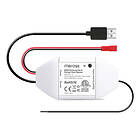
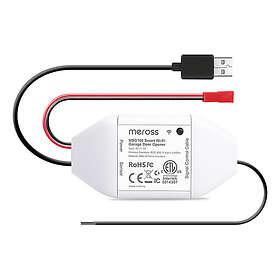
Meross Smart WiFi Garage Door Opener MSG100/MSG100HK
from £29.742 stores
from £29.74
2 stores
2
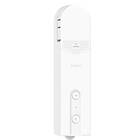
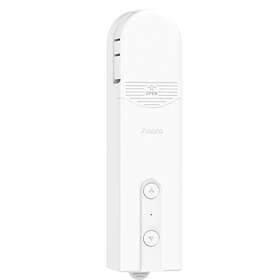
Aqara Roller Shade Driver E1
from £53.996 stores
from £53.99
6 stores
3
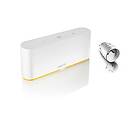
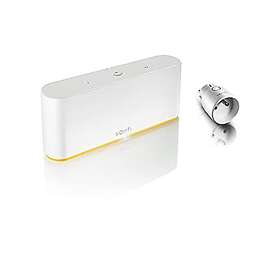
Somfy TaHoma Switch
from £114.002 stores
from £114.00
2 stores
4
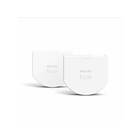
Philips Hue Wall Switch Module 2-pack
from £63.495 stores
from £63.49
5 stores
5
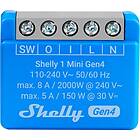
Shelly 1 Mini Gen 4
from £18.703 stores
from £18.70
3 stores
The Meross MSG100 turns standard garage door openers into smart, connected systems over Wi-Fi. It integrates directly with Apple HomeKit, Google Home, and standard mobile control apps. Useful features include custom closing schedules and activity alerts.

Pros
Apple HomeKit and CarPlay support
Wi-Fi range up to 30 m
Auto-close and door notifications
Cons
Voice commands may trigger without PIN
Setup may need model-specific help
The Aqara Roller Shade Driver E1 automates beaded-cord roller blinds without requiring you to replace existing shades. It communicates via ZigBee and supports HomeKit as well as Matter. You can power it using its built-in rechargeable battery or plug it into USB-C power permanently.


Member price with fee
(£59.95)
£53.99
In stock
Pros
Supports ZigBee, HomeKit, and Matter
Rechargeable battery via USB-C
Can run continuously on mains power
Cons
ZigBee connection may drop occasionally
Higher battery drain with frequent use
The Somfy TaHoma Switch serves as a central smart control hub for home automation equipment. It supports both ZigBee and Wi-Fi protocols for wide ecosystem integration. You can easily trigger preset scenes and manage connected appliances through compatible voice assistants.
Pros
Dual Wi-Fi and ZigBee connectivity
Works with Apple HomeKit and Google Home
Centralized control for smart devices
Cons
Requires mains power placement
Larger footprint than in-wall relays
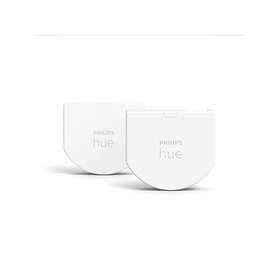
The Philips Hue Wall Switch Module installs directly behind existing wall switches to keep smart bulbs reachable at all times. It runs on battery power and eliminates the need for a neutral wire inside the electrical box. Each module features two input channels to support dual switches.

Pros
Keeps Hue bulbs powered continuously
No neutral wire required
Each module supports two switch inputs
Includes two modules in the package
Cons
Only works with Philips Hue smart lights
Setup menu has hidden switch settings
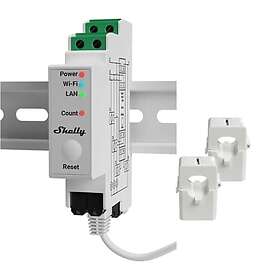
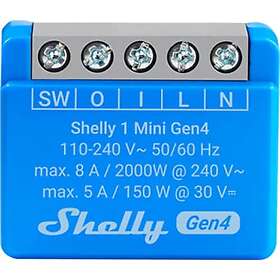
The Shelly 1 Mini Gen 4 is a compact smart relay designed for fixed installation inside tight wall boxes. It supports both Wi-Fi and ZigBee for versatile connectivity across multiple ecosystems. It enables smart on/off control for standard electrical circuits and lighting.
Pros
Ultra-compact in-wall form factor
Dual Wi-Fi and ZigBee protocol support
Works with Apple HomeKit and Google Home
Cons
Requires fixed electrical installation
Single relay channel only
Compare specifications
| Type | — | Smart curtain control | Smart switch | Dimmer for fixed installation, Smart switch | Relay for fixed installation, Smart switch |
|---|---|---|---|---|---|
| Communication protocol | Wi-Fi, HomeKit, Google Home | ZigBee, HomeKit, Matter | ZigBee, Wi-Fi, HomeKit, Google Home | ZigBee, HomeKit | ZigBee, Wi-Fi, HomeKit, Google Home |
How we create the list
The ranking is updated monthly and is based on data we collect from our own platform. Products that rank highly are popular among our users while also maintaining high quality according to editorial expert assessments. Specifically, we weigh how many users follow the product via price alerts or lists, how it is rated by experts and users, as well as how much traffic it generates to stores and how well it is represented in retail. The texts on this page are AI-generated and created to give you a quick and clear overview. No products are paid placements – the ranking is driven solely by data.